
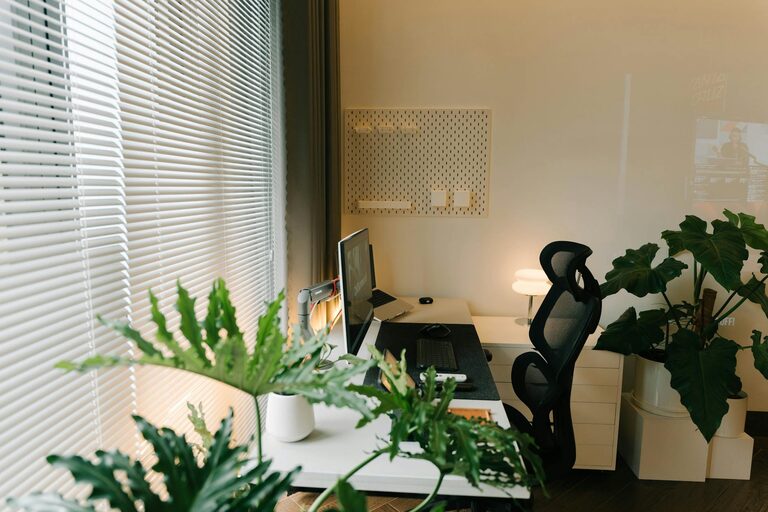
Creating a cozy and productive home office space is essential for anyone working from home or managing personal projects. A well-designed office not only boosts your focus and efficiency but also makes your workday more enjoyable and less stressful. Whether you have a small corner or a dedicated room, these tips will help you set up an inviting and effective workspace.
Choose the Right Location
Finding the ideal spot for your home office is the first step. Consider an area with minimal distractions and enough space for your needs. If possible, select a quiet corner away from the main traffic areas in your home.
Consider Natural Light
Natural light positively impacts mood and productivity. Try to position your desk near a window to benefit from daylight. If natural light is limited, choose good-quality artificial lighting that mimics daylight to reduce eye strain.
Invest in Comfortable Furniture
Comfort plays a critical role in maintaining productivity.
Ergonomic Chair and Desk
Select an ergonomic chair that supports your posture. Adjustability is key—make sure the seat height and backrest can be tailored to your comfort. Your desk should be at a height where your forearms are parallel to the floor when typing.
Functional Desk Space
Pick a desk with enough surface area to accommodate your computer, notebooks, and other tools. If space allows, consider a standing desk or convertible options to alternate between sitting and standing.
Organize Efficiently
A clutter-free environment helps keep your mind clear.
Storage Solutions
Use shelves, drawers, or storage boxes to keep supplies organized and out of sight. Labeling your storage can make it easier to find what you need quickly.
Cable Management
Tidy cables with clips, sleeves, or under-desk trays to prevent tangling and maintain a neat appearance.
Personalize Your Workspace
Adding personal touches can make your office feel inviting.
Decor and Colors
Incorporate colors that boost your mood and creativity. Soft blues and greens promote calmness, while warm tones like orange or yellow add energy. Add artwork, plants, or inspiring quotes that reflect your personality.
Plants and Greenery
Indoor plants improve air quality and add a refreshing natural element to your space. Choose low-maintenance varieties like succulents or pothos.
Minimize Distractions
Keeping distractions to a minimum helps you maintain focus.
Use Noise-Canceling Tools
If background noise is an issue, consider noise-canceling headphones or white noise machines.
Set Boundaries
Communicate your working hours with family or roommates to minimize interruptions. Use a “Do Not Disturb” sign if needed.
Optimize Technology and Connectivity
A smooth-running setup saves time and reduces frustration.
Reliable Internet Connection
Ensure your workspace has strong Wi-Fi or consider a wired Ethernet connection for stability.
Efficient Equipment
Use a good-quality monitor, keyboard, and mouse to avoid discomfort. Keep software and hardware updated to maintain efficiency.
Practice Good Lighting Habits
Proper lighting reduces eye strain and helps maintain focus.
Layered Lighting
Combine ambient lighting with task lighting. A desk lamp focused on your work can prevent shadows and glare.
Adjust Brightness
Avoid overly bright lights or glare on screens by adjusting brightness settings or using curtains to diffuse sunlight.
Create a Routine and Break Space
Your home office should support a healthy work-life balance.
Establish a Routine
Start and stop work at consistent times. Incorporate short breaks to stretch and rest your eyes.
Break Zone
If space permits, create a small area separate from your desk where you can relax briefly during breaks. This helps mentally separate work time from rest.
Maintain Cleanliness
Regularly cleaning your office reduces dust and creates a pleasant environment.
Daily Tidying
Spend a few minutes at the end of each day clearing your desk and organizing papers.
—
Designing a home office that is both cozy and productive is about balancing comfort, organization, and purpose. By selecting the right location, investing in quality furniture, managing distractions, and personalizing your space, you can create an environment that supports your best work every day. Start with small changes and adjust as you learn what works best for your unique needs.