
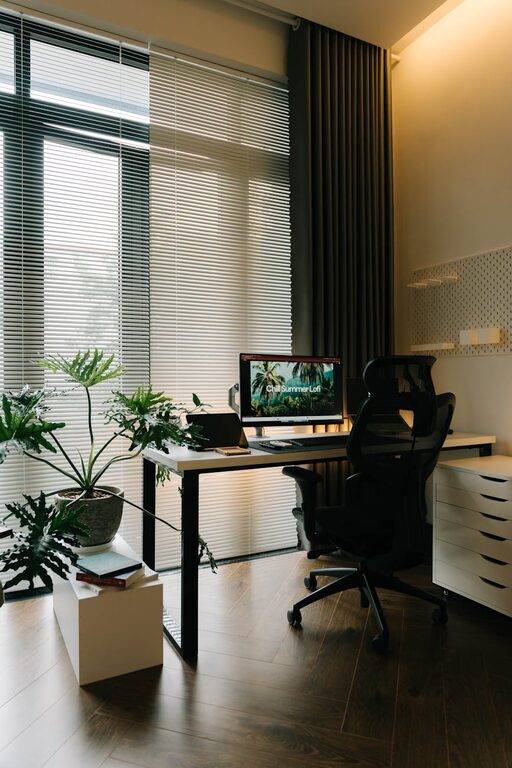
Creating a relaxing home workspace can significantly improve your productivity and overall well-being. With more people working remotely or balancing household duties alongside professional tasks, having a designated area that fosters calmness and efficiency is essential. This guide offers practical tips for transforming your workspace into a relaxing environment that helps you stay focused while reducing stress.
Why a Relaxing Workspace Matters
Your surroundings have a powerful impact on your mindset and performance. A cluttered or distracting area can increase stress levels and make it harder to concentrate. On the other hand, a well-organized and soothing space can promote mental clarity and motivate you to work more efficiently.
By intentionally designing your home office or work nook with relaxation and functionality in mind, you create a positive routine that supports both comfort and productivity.
Choose the Right Location
Consider Natural Light and Ventilation
Whenever possible, choose a workspace near a window. Natural light boosts mood and alertness, making it easier to stay energized throughout the day. Fresh air is also beneficial, helping you feel refreshed and avoid the sluggishness that often comes from stuffy spaces.
Minimize Noise and Distractions
Select a quiet spot where household noise and interruptions are minimal. If silence isn’t always possible, try noise-cancelling headphones or a white noise machine to maintain focus.
Design a Comfortable and Functional Setup
Invest in Ergonomic Furniture
A comfortable chair and desk setup prevents discomfort and strain. Look for an adjustable chair with good lumbar support, and position your monitor at eye level to avoid neck pain. Standing desks or sit-stand converters are also great options to alternate positions during the day.
Keep Your Desk Organized
Clutter can be overwhelming and distracting. Use trays, drawers, or desk organizers to keep supplies tidy and within reach. Only keep everyday essentials on your desk to maintain a clean and inviting work area.
Personalize Your Space Wisely
Decorate your workspace with a few calming or inspiring items such as plants, artwork, or photos. Choose objects that make you feel relaxed and motivated but don’t overcrowd your desk.
Use Color and Lighting to Set the Mood
Choose Soothing Colors
Colors affect mood and focus. Soft blues, greens, and neutral tones tend to create a calming atmosphere, while brighter colors might energize you. Choose paint or accent pieces wisely to encourage productivity without overstimulation.
Balance Ambient and Task Lighting
Combine natural light with soft overhead lighting and task lamps. Adjustable lighting that reduces glare and harsh shadows helps prevent eye strain and creates a comfortable environment for reading and computer work.
Incorporate Relaxation Techniques into Your Workspace
Add Plants or Nature Elements
Indoor plants not only improve air quality but also promote calm and reduce stress. Easy-care plants like succulents, spider plants, or peace lilies are great choices.
Use Aromatherapy or Essential Oils
A subtle scent from essential oils like lavender or eucalyptus can enhance relaxation and focus. Consider using a small diffuser, but keep scents light to avoid overwhelming your senses.
Create a Break Area
If space allows, include a small corner with a comfortable chair or cushion where you can take brief breaks. Stretch, meditate, or simply rest your eyes to recharge throughout the day.
Establish Clear Boundaries Between Work and Home
Set Work Hours and Break Times
Define specific start and end times for your workday to avoid burnout and maintain balance. Schedule regular breaks to stand up, stretch, and hydrate.
Communicate Your Workspace Needs
If you share your home, let others know your work schedule and workspace boundaries to minimize interruptions.
Maintain Your Workspace Regularly
Daily Tidying
Spend a few minutes at the end of each day clearing your desk and putting away materials. A fresh start each morning helps maintain a relaxing atmosphere.
Declutter Weekly
Take a weekly moment to declutter and reorganize your workspace. Remove unnecessary items, clean surfaces, and check that your setup still meets your needs.
Use Technology to Support Relaxation and Productivity
Manage Digital Distractions
Limit notifications and use apps that block distracting websites during work periods to maintain focus.
Optimize Your Tools
Ensure your computer, internet connection, and other tools are reliable to minimize frustration and interruptions.
—
By applying these tips to your home workspace, you can create an environment that is not only productive but also calming and enjoyable. A relaxing workspace encourages better focus, reduces stress, and helps you maintain a healthy work-life balance—making every workday more rewarding.